
- February 1, 2026
Styling Retail Spaces
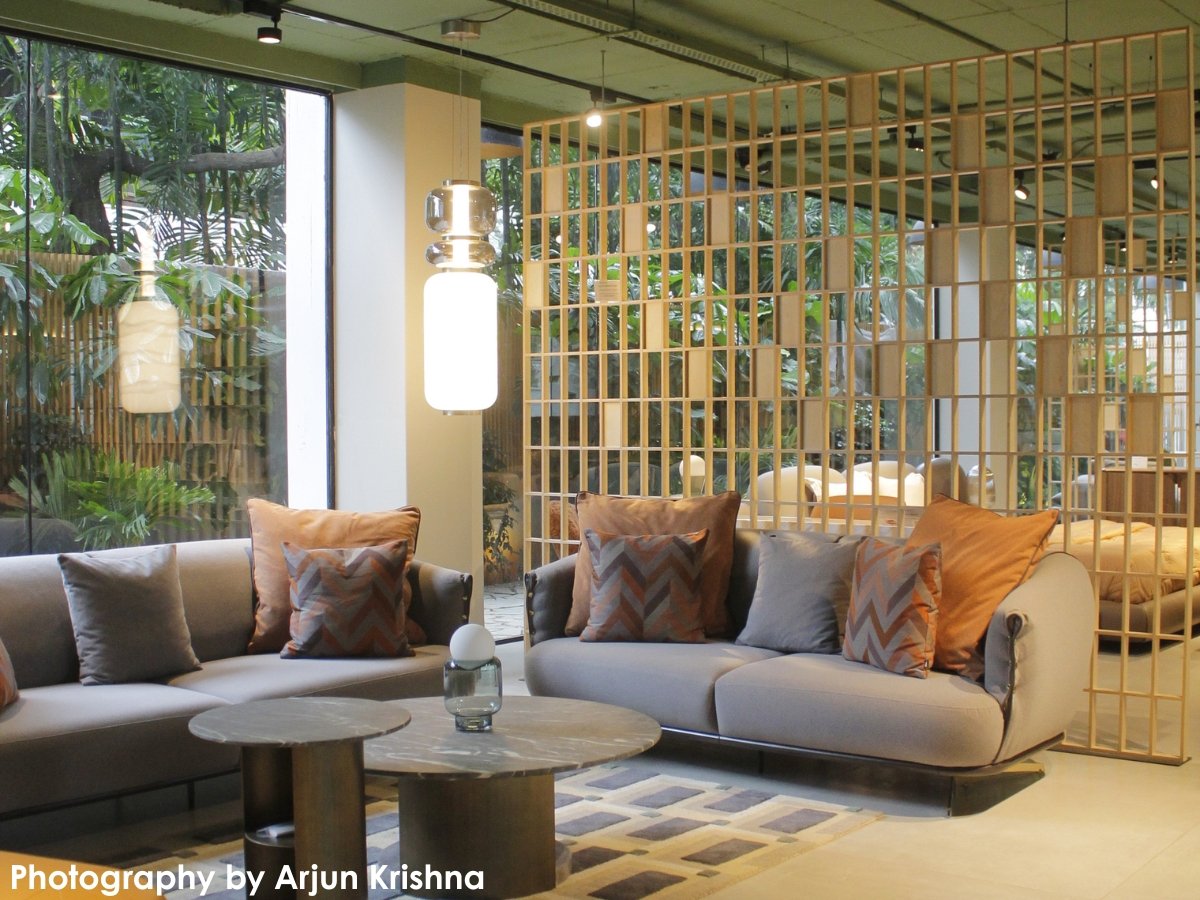
Retail spaces today are designed to be experienced, not just visited. People do not walk in only to look at products. They come to understand a brand, to feel its values, and to imagine how those products fit into their lives. Styling plays a central role in shaping this experience.
At Mita Mehta Studio, we approach retail styling as quiet storytelling. The intention is to support how a space functions and how it is perceived. Every object, surface, and pause in the layout is considered.
One of the most important aspects of retail styling is spatial rhythm. A well-styled store allows the eye to rest. Not every corner needs to be filled. In fact, reducing visual noise helps products stand out more clearly. For example, leaving one wall calm and layered only with texture allows the merchandise placed opposite to feel more important and focused. Material choices matter deeply in retail spaces. These environments are heavily used and viewed from many angles. We favour materials that feel honest and age gracefully. Natural wood, stone, and metals with subtle finishes bring warmth without distraction. In one of our recent retail projects at Vanto, material restraint helped create a sense of calm, allowing visitors to slow down and engage more thoughtfully with the space.
Styling also helps guide movement. Without adding signs or barriers, furniture placement and object positioning can influence how people walk through a store. A console placed slightly off centre encourages a turn. A rug defines a zone without closing it off. These decisions naturally and comfortably shape circulation. Lighting is another critical styling layer. Beyond basic illumination, lighting creates mood and hierarchy. Softer ambient light makes a retail space feel welcoming. Focused lighting draws attention to specific displays. In Vanto, lighting was used to create moments of pause where visitors could linger rather than rush through. Accessories and art are chosen with purpose. They are not added to fill space but to add context. A single sculptural object can communicate more than several decorative pieces. Art helps bridge the gap between product and lifestyle, allowing customers to imagine how the brand lives beyond the store.
What defines strong retail styling is clarity. Every element has a role. Nothing feels accidental. The space feels composed, confident, and easy to navigate. As we continue working on retail environments, including ongoing projects like Vanto, our approach remains consistent. Styling is treated as a core layer of design, not a finishing touch. It connects brand identity with human behaviour and spatial logic. A well-styled retail space does not overwhelm. It invites. It allows the visitor to experience the brand quietly and remember it long after they leave.
by Arushi Mehta