
- May 6, 2026
Styling for the Heat — How Indian Summers Should Shape Your Interiors
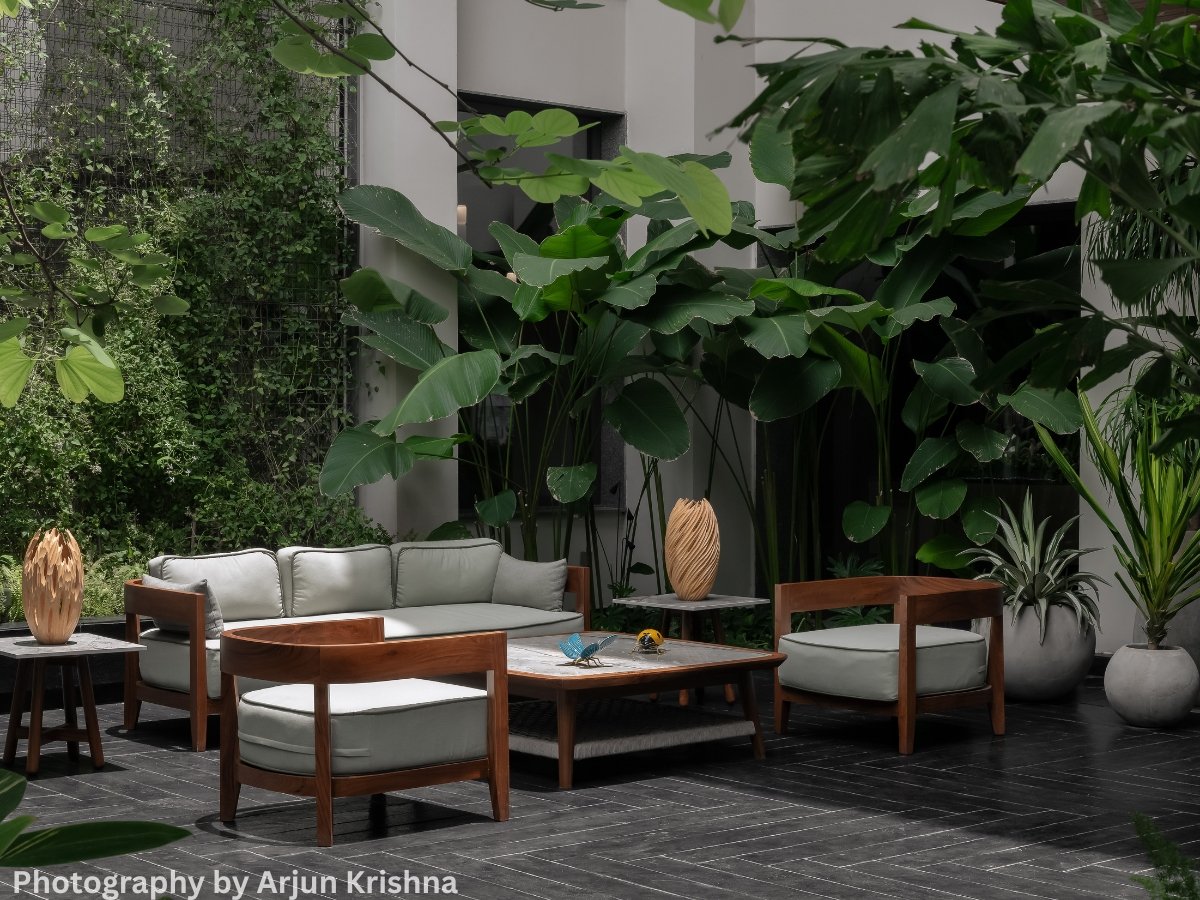
Summer in India is not a gentle season. It arrives with force — sharp light, dry air, and a heat that settles into every room by mid-morning. Most homes respond to this by closing up. Curtains drawn, ACs running, rooms sealed from the outside. But there is another way to approach summer interiors. One that works with the season rather than against it.
Styling for summer begins with light. Indian summer light is intense and directional. It does not flatter a room the way soft morning light does. The instinct is to block it entirely, but the better approach is to filter it. Sheer linen curtains in off-white or warm sand allow light to pass through while softening its harshness. The room stays bright without feeling exposed. This single change can shift how a space feels for the entire season.
Material choices become more important in summer than at any other time of year. Heavy upholstery, thick rugs, and layered textiles that feel beautiful in winter can become oppressive by May. This is the season to edit. Swap wool and velvet throws for cotton and khadi. Replace dense rugs with flatweave or bare floors where possible. The room breathes differently when its materials are lighter. There is a reason traditional Indian homes used cane, jute, and unlined cotton; these materials have always known how to handle the heat.
Colour responds to summer in interesting ways. Rooms that feel warm and cosy in December can feel suffocating by April. This does not mean reaching for stark white walls. It means understanding how colour behaves in strong light. Warm whites, pale clay tones, and muted greens hold up well in summer light without feeling cold or clinical. Deep saturated colours used as accents, a terracotta vessel, and an indigo cushion add depth without adding visual warmth.
Furniture placement matters more in summer than people realise. Heat moves through a home in predictable ways, and furniture can either block or support this. Keeping the central floor space clear allows air to circulate. Pulling seating away from west-facing walls in the afternoon makes rooms more comfortable without touching the thermostat. These are practical decisions that also happen to make a room look more considered and intentional.
Water is an underused styling element in Indian summer interiors. A wide ceramic bowl filled with water and a few petals placed in an entryway or on a dining table introduces a quiet coolness. Tall glass vessels, ceramic urns, and stone surfaces carry a visual coolness that warmer materials do not. Styling with these elements is not just aesthetic; it honestly responds to the season.
Plants survive summer differently. The lush indoor greenery that thrives in other months needs attention in peak heat. Moving plants away from direct afternoon sun, grouping them together to retain moisture, and choosing drought-tolerant varieties like snake plants and pothos keep interiors feeling alive without the maintenance that summer often requires. A home that has given up on its plants by May has lost something in its atmosphere.
Summer styling is ultimately about restraint and honesty. It asks you to remove more than you add. To let the architecture breathe. To trust that a well-lit, well-aired room with honest materials and calm surfaces will always feel better than one that is fighting the season. The homes that feel best in May are not the ones that have been decorated for summer. They are the ones that have been edited for it.
by Mita Mehta