
- April 4, 2026
Experimental Styling as a Design Language
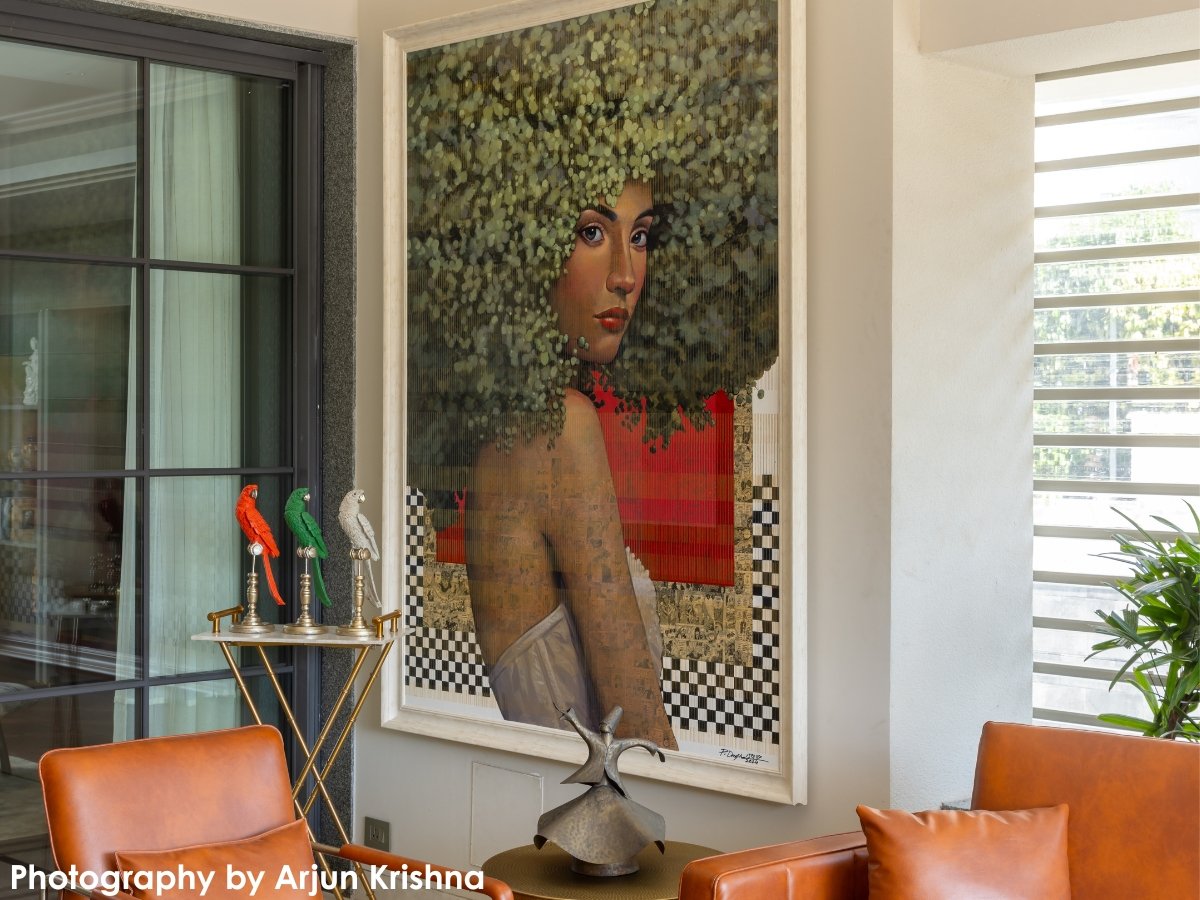
Experimental styling has become a clear design language in contemporary interiors. It is about intention, curiosity, and the confidence to move beyond predictable formulas. In our work, experimental styling is used to deepen how a space feels and functions rather than to make a visual statement alone.
Styling becomes experimental when it responds to people and places. This often begins with questioning default choices. A living room does not always need symmetry. A bedroom does not always need matching side tables. By shifting these expectations, a space begins to feel more personal and lived-in.
Material play is one of the most effective ways to experiment. Combining materials that traditionally do not sit together creates quiet tension and interest. For example, pairing a refined upholstered sofa with a rough stone side table introduces contrast without drama. In several of our residential projects, this balance between smooth and raw materials has added depth while keeping the space calm.
Scale is another tool in experimental styling. Using a single oversized element often has a greater impact than adding many smaller ones. A large artwork, a deep, low sofa, or a tall floor lamp can anchor a room and change how it is experienced. In a recent project, a single large floor vase altered the space’s proportions and created a strong visual pause without adding clutter.
Colour experimentation does not rely solely on brightness. Subtle shifts in tone can feel more sophisticated and lasting. Layering similar colours with different depths creates richness. For instance, working with variations of beige, clay, or muted green allows a space to feel cohesive while still having character.
Furniture placement also offers room for experimentation. Pulling furniture away from walls creates breathing room and changes circulation. It invites people to move through the space differently. This approach works especially well in large homes where scale needs careful handling.
Lighting is treated as a styling element rather than a technical addition. Using multiple light sources at different heights brings warmth and flexibility. A table lamp placed where it is not expected can soften a corner and make the room feel more relaxed.
Experimental styling is also about editing. Removing unnecessary elements allows the remaining pieces to speak more clearly. In projects like Vanto, restraint played a key role. Fewer objects created a stronger impact and gave the space a distinct identity. This design language evolves over time. It adapts to how people live and use their spaces. Experimental styling respects comfort and function while allowing creativity to unfold naturally. At its core, experimental styling is thoughtful and intuitive. It encourages designers and stylists to trust their judgement, respond to context, and create spaces that feel alive and authentic rather than fixed or formulaic.
by Mita Mehta